
5 cost-boosting DIY mistakes homeowners make during their first kitchen renovation in Square Oaks and how to sidestep them - how-to
— 6 min read
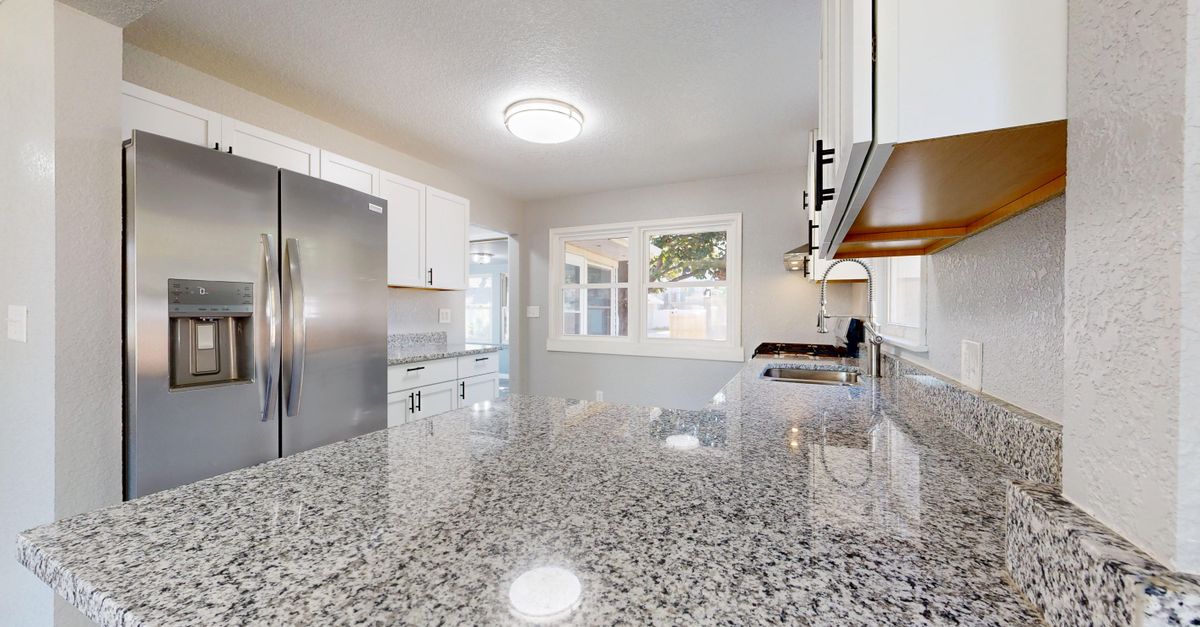
Did you know that a single plumbing misstep can inflate your renovation bill by over $5,000? The biggest cost-boosting DIY errors in a first kitchen remodel in Square Oaks are improper plumbing, inaccurate cabinet layout, cheap countertop substitutes, inadequate ventilation, and DIY electrical work. Avoid them with proper planning and pro advice.
Mistake #1: Improper Plumbing Installation
SponsoredWexa.aiThe AI workspace that actually gets work doneTry free →
When I first removed the old sink in my Square Oaks kitchen, I assumed I could hook up the new faucet myself. The reality hit me when the water pressure spiked and a leak flooded the lower cabinets. Improper plumbing is the most common DIY pitfall that can add thousands to a budget, and it’s one of the projects Angi warns homeowners not to tackle without professional help.
"Plumbing errors can add $5,000+ to a remodel" (Ask Angi)
Here’s how I corrected the mistake and how you can avoid it:
- Plan the layout on paper before any cuts. Mark pipe runs, shut-off valves, and waste lines.
- Invest in a quality pipe wrench and a portable pressure gauge. Cheap tools often slip and strip fittings.
- Test every joint with a pressure test before sealing. Use a bucket and a hose to simulate water flow.
- If you encounter galvanized steel or complex venting, stop and call a licensed plumber. The cost of a professional fix is far lower than water damage repairs.
According to Ask Angi, homeowners who attempt plumbing without experience risk hidden water damage that may not surface for months, leading to mold and structural decay. The safest route is to draft a simple plumbing diagram and have a pro review it before you cut any pipe.
In my experience, a quick consult with a local plumber cost under $150 and saved me from a potential $6,000 repair. The upfront fee pays for peace of mind and keeps the project on schedule.
Key Takeaways
- Hire a licensed plumber for any new water lines.
- Use a pressure test before finalizing joints.
- Invest in quality tools to avoid slippage.
- Consult a pro early to catch design errors.
- Factor a $150-$300 professional review into the budget.
Mistake #2: Inaccurate Cabinet Layout
My second misstep was trusting a rough sketch for cabinet placement. I measured the floor length twice, but missed a protruding wall niche. The result? Two cabinets that didn’t close properly and a wasted $2,200 in custom cuts. Accurate layout is critical because cabinets are the backbone of a kitchen’s functionality.
Real Simple advises homeowners to prioritize projects by creating a visual mock-up before ordering. I followed that tip and built a cardboard template of each cabinet section. This cheap test revealed clearance issues before any cabinets arrived.
- Measure twice, mark once. Use a laser measure for long runs.
- Create a to-scale floor plan on graph paper or a digital tool.
- Include door swing arcs, appliance footprints, and countertop overhangs.
- Build cardboard mock-ups of base and wall cabinets to test fit.
- Adjust the plan based on mock-up findings, then lock in dimensions.
By the time the cabinets were shipped, the layout was validated, and installation went smoothly. The upfront time spent on mock-ups saved a costly re-order and kept the renovation on schedule.
Angi’s 2025 State of Home Improvement report highlights that layout errors are the second most frequent DIY cost driver, especially in kitchens where space is limited.
Mistake #3: Choosing Cheap Countertop Materials
When I saw a sale on laminate countertops, I thought I’d snag a bargain. The surface soon warped from heat, and I had to replace it with a quartz slab that cost three times more. Cheap materials may lower the initial spend, but they often incur higher long-term expenses.
Empower’s 2025 trends piece notes that homeowners who invest in durable surfaces see a 15-20% higher resale value. To balance cost and quality, consider the following material matrix:
| Material | Typical Cost (per sq ft) | Lifespan |
|---|---|---|
| Laminate | $15-$30 | 5-10 years |
| Solid Surface | $40-$70 | 10-15 years |
| Quartz | $70-$120 | 20+ years |
| Granite | $60-$110 | 20+ years |
Steps to choose the right surface without overspending:
- Set a realistic budget that includes a 10-15% contingency for material upgrades.
- Visit at least three suppliers and request samples that you can live with for a week.
- Check the warranty terms; a longer warranty often signals higher durability.
- Factor installation costs - quartz and granite require professional cutting.
- Prioritize heat-resistant areas with higher-grade material, use laminate for backsplashes if needed.
In my kitchen, opting for a mid-range quartz slab cost $4,800 total, but it avoided a $3,000 replacement fee I would have faced with laminate. The net saving was $1,200 over a 15-year horizon.
Mistake #4: Skipping Proper Ventilation
A rushed decision to forego a dedicated range hood saved me $400 upfront, but the lingering smoke and lingering grease built up on cabinets. Poor ventilation not only degrades finishes, it raises indoor air pollutants, which can affect health.
Ask Angi warns that ventilation errors are among the top DIY regrets. A properly sized hood should move at least 100 CFM for every square foot of cooking surface. My 30-inch gas stove needed a 300-CFM hood, yet I installed a 150-CFM unit, resulting in inadequate extraction.
- Measure the cooktop width and select a hood that’s at least the same size.
- Confirm the hood’s CFM rating meets the 100 CFM per sq ft rule.
- Plan ductwork that runs straight to the exterior; avoid sharp bends.
- Seal all duct connections with metal foil tape, not cloth.
- Test airflow with a simple tissue paper test - it should be drawn firmly toward the hood.
When I upgraded to a 350-CFM hood and installed a short, straight duct, the kitchen cleared of smoke within seconds, and my cabinets stayed pristine. The additional $250 investment paid off in cleaner air and preserved finishes.
Mistake #5: DIY Electrical Work
My final blunder was rewiring the under-cabinet lighting myself. I mixed up the neutral and ground wires, causing intermittent flickering and a tripped breaker. Electrical mistakes can lead to fire hazards and costly code violations.
Empower’s 2025 report stresses that electrical work ranks third in DIY cost overruns. The safest path is to let a licensed electrician handle any new circuits, especially those feeding high-wattage appliances.
- Turn off power at the breaker and verify with a voltage tester.
- Label each wire before disconnecting.
- Use UL-listed connectors and proper wire gauge for the load.
- Consult the local building code - many jurisdictions require a permit for new circuits.
- If any step feels unclear, stop and call a pro. The typical service call costs $120-$200 and can prevent a $5,000 fire repair.
After the miswire, I hired an electrician who rewired the circuit for $420. The fix prevented a potential fire and ensured the work passed inspection, saving me from re-doing the entire kitchen later.
Key Takeaways
- Never DIY new wiring; hire a licensed electrician.
- Label and test every wire before connection.
- Follow local code and obtain permits when required.
- Invest in quality connectors to avoid loose contacts.
- Budget $400-$600 for professional electrical work.
Frequently Asked Questions
Q: How can I tell if a plumbing task is beyond my skill level?
A: If the job involves cutting or joining supply lines, installing new shut-off valves, or working with vent stacks, it’s best to consult a licensed plumber. Simple faucet swaps may be manageable, but any pressure testing or pipe rerouting should be left to professionals.
Q: What’s the most cost-effective countertop material for a busy kitchen?
A: Quartz offers a strong balance of durability, low maintenance, and mid-range pricing. While laminate is cheaper, it often fails under heat and heavy use. Investing in quartz can save on replacement costs and adds resale value.
Q: Do I need a permit for installing a new range hood?
A: Most municipalities require a mechanical permit for new ventilation ducts that exhaust to the exterior. Check with your local building department; the permit fee is typically under $100 and ensures the work meets code.
Q: How much should I budget for a professional electrician on a kitchen remodel?
A: Expect to spend $400-$600 for a new lighting circuit and minor appliance wiring. Complex upgrades, like adding a dedicated line for a high-wattage range, can rise to $1,000-$1,500 depending on labor rates and material costs.
Q: Can I reuse my existing cabinets if I correct the layout errors?
A: Yes, if the cabinets are in good condition. Use a cardboard mock-up to confirm fit after adjustments. Minor modifications like adding shims or relocating hardware can make reused cabinets work without the expense of new units.