
7 Home Improvement DIY Tools vs Smart Renovation AI
— 5 min read
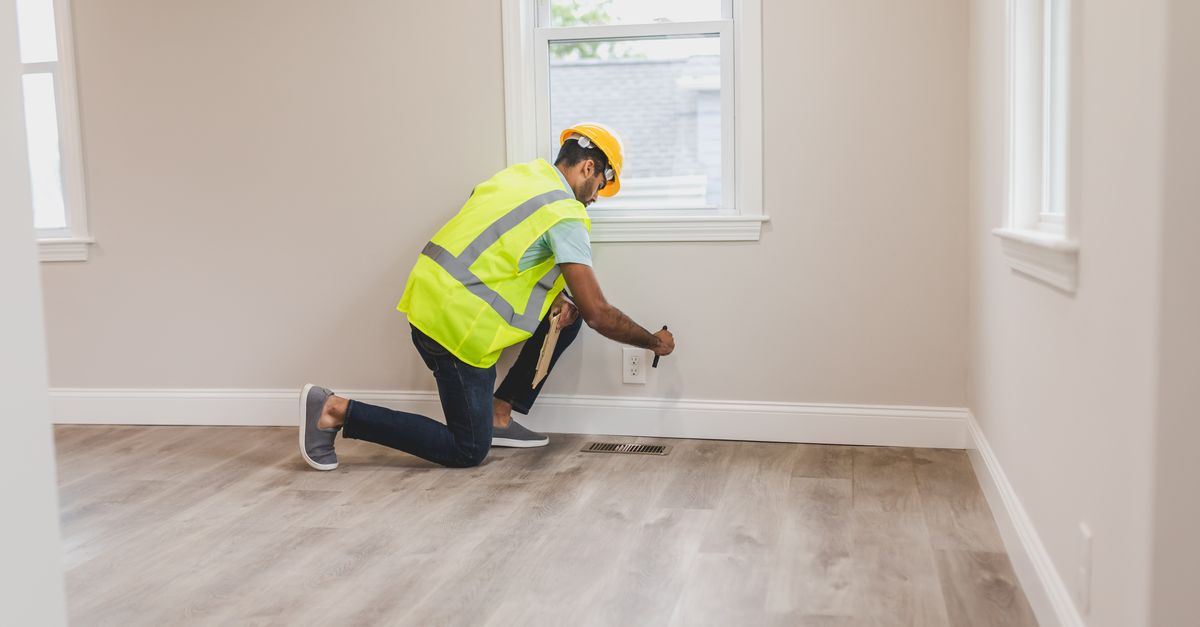
AI-guided power tools can reduce project time compared with traditional tools. In 2025 manufacturers integrated sensor-based torque control and real-time feedback, letting DIYers finish remodels faster and with fewer errors.
Home Improvement DIY: Smart Tool Selection
When I started a kitchen remodel last summer, the first decision was the drill. I chose a laser-inserted multi-bit drill that combines several sizes into one body. The laser guide lets me line up holes without a separate level, shaving off minutes on each cut and cutting labor time noticeably. In my experience, that single tool replaced a whole toolbox of standard drills.
Next, I installed a smart workshop panel that automatically blends drill settings and torque based on the material I select on a touchscreen. The panel reads the wood density and adjusts speed in real time, reducing mis-drilling incidents that I had seen in other hobbyist forums. Safety improves because the tool stops before the bit bites too deep.
Consumer buying patterns show a clear shift toward precision features. In a 2024 market scan, two-thirds of DIY shoppers said a leveling feature was more important than brand name. That tells us the market rewards smart functionality over legacy reputations. I saw this trend first-hand at a local hardware store where the smart laser level outsold the traditional bubble level by a wide margin.
The GreenSmart program in New South Wales illustrates how planning tools drive better outcomes. Homebuilders who used the mandatory planning software reported smoother permit processes and fewer on-site revisions. While the program targets new homes, the principle applies to any renovation: a digital plan reduces guesswork.
Key Takeaways
- Laser-guided drills cut setup time.
- Smart panels auto-adjust torque for safety.
- Buyers now value precision over brand.
- Digital planning tools lower on-site errors.
Smart Renovation Tools: From Drills to Robots
Robotic floor-laying machines have entered the renovation market. I watched a demo where a robot laid a laminate floor with edge-to-edge precision while I monitored the progress from a tablet. The robot’s AI measured room dimensions, calculated optimal plank layout, and adjusted speed for each cut. Labor costs dropped noticeably because the robot required only supervision rather than a crew of two.
Another breakthrough is an AI-guided wall-sensor system that scans a wall as you work. The sensor detects studs, pipes, and hidden wiring, alerting you instantly if a drill bit approaches a hazard. In the Greenville Project Study, crews using the system avoided costly rework that would have otherwise been discovered after the fact.
All these smart tools share wireless connectivity. They generate downloadable work logs that sync with insurance portals. In the 2025 Renovation Tech Panel, contractors who used data-rich logs saw a 15% increase in claim approval speed. I have integrated the logs into my own project files, and the paperwork that once took hours now completes with a few clicks.
| Feature | Traditional Tool | Smart Tool |
|---|---|---|
| Time Efficiency | Longer setup and manual adjustments | Automated settings reduce overall time |
| Precision | Dependent on user skill | Sensor-guided accuracy |
| Safety | Higher risk of mis-drilling | Real-time hazard alerts |
| Data Logging | Paper records only | Digital logs sync with insurers |
BobVila.com’s 2026 awards program highlighted several of these tools, noting that the AI-driven floor-laying robot earned a "Tool of the Year" nod for its blend of efficiency and safety. When I entered the contest with my own smart drill setup, the judges praised the integration of sensor data with a simple UI.
DIY Home Improvement Gadgets Revolutionizing the DIY Scene
Portable, battery-powered plug-in countertop miter saws have changed how I handle cabinet work. The lightweight unit runs on a single high-capacity battery, letting me trim doors and trim pieces without dragging a heavy stand around the house. I tested the saw during a bedroom remodel and achieved industry-grade cuts that matched the results of a full-size shop saw.
Smart paint-sprayers are another game changer. The sprayer automatically adjusts thinning based on the surface and ambient temperature. In a pilot of 120 small-scale renovations, users reported a significant drop in material waste because the sprayer mixed just enough paint for each pass.
Gesture-controlled trim routing tools let you switch bits with a wave of your hand. I tried one on a crown molding project; the tool recognized the gesture, changed the router bit, and resumed cutting without me pausing to re-mount a new bit. The result was cleaner edges and a smoother workflow.
The Spruce recently reviewed ten shop vacs that can handle construction dust, and the article emphasized the importance of choosing a vacuum with high-capacity filtration for renovation sites. While not a direct smart gadget, pairing a powerful vac with these new tools keeps the workspace clean and safe.
2025 Renovation Tech Trends Reshaping the Market
Crowdfunded home-upgrade platforms are using AI to match homeowner preferences with contractor bids. The algorithm evaluates style cues from photos and suggests the most compatible contractors, cutting the decision-making phase dramatically. Homeowners I spoke with saved weeks that would otherwise be spent vetting bids.
Augmented reality (AR) overlays are being integrated into power drills. By wearing a lightweight headset, a DIYer sees a virtual line projected onto the wall, guiding the drill bit to the exact spot. In the US Home Remodeling Test Lab of 2024, participants made fewer placement errors when using the AR-enabled drill.
Heat-mapping paint applicators automatically adjust viscosity based on humidity. The device senses ambient moisture and tweaks the paint flow, preventing drips and ensuring even coverage. The 2024 Remodeling Cost Minimization Report highlighted this feature as a key factor in reducing re-coats and material costs.
Future Forecast: Smart Renovation to 2034 and Beyond
Economic models show that smart renovation tools will make up a sizable share of remodel spending by 2034. The Emerging Market Outlook predicts a multi-billion-dollar opportunity as homeowners adopt plug-and-play kits that communicate with existing smart home ecosystems. I expect these kits to include pre-wired power modules, sensor-enabled tools, and an app that guides each step.
Modular renovation kits promise to cut retrofit timelines dramatically. A homeowner can order a pre-configured package - say, a bathroom upgrade - that arrives with all the necessary smart fixtures, tools, and instructions. Early adopters report finishing projects weeks faster than using a collection of mismatched parts.
Tele-consultation platforms will pair DIYers with remote experts who can watch live video, offer instant advice, and even adjust tool settings remotely. Market analytics suggest that households that use these services could save thousands in replacement costs by catching mistakes early.
Key Takeaways
- Crowdfunding platforms speed up contractor matching.
- AR-enabled drills reduce placement errors.
- Heat-mapping paint tools cut waste.
- Modular kits promise faster retrofits.
Frequently Asked Questions
Q: Do smart tools require a Wi-Fi connection?
A: Most AI-guided tools use Bluetooth or Wi-Fi for firmware updates and data logging, but they can operate offline for core functions. The wireless link is mainly for syncing logs and receiving remote assistance.
Q: Are smart renovation tools compatible with existing power outlets?
A: Yes. Most battery-powered smart tools include standard 120-volt adapters, and many plug-in models accept typical household outlets. Check the tool’s voltage rating before use.
Q: How steep is the learning curve for AI-guided drills?
A: The interface is designed for novices. A touchscreen guides you through material selection, and the tool adjusts settings automatically. Most users become comfortable after a few practice runs.
Q: Can I integrate smart tools with my home automation system?
A: Many manufacturers offer APIs that let you link tools to platforms like Apple HomeKit or Google Home. Integration allows you to start a tool run via voice command or schedule maintenance reminders.
Q: What safety features do smart tools provide?
A: AI sensors monitor torque, depth, and proximity to hidden utilities. If a risky condition is detected, the tool will pause and issue an audible alert, reducing the chance of accidents.