
Reduces Home Improvement DIY Errors With Square Oaks Kitchen Panels
— 5 min read
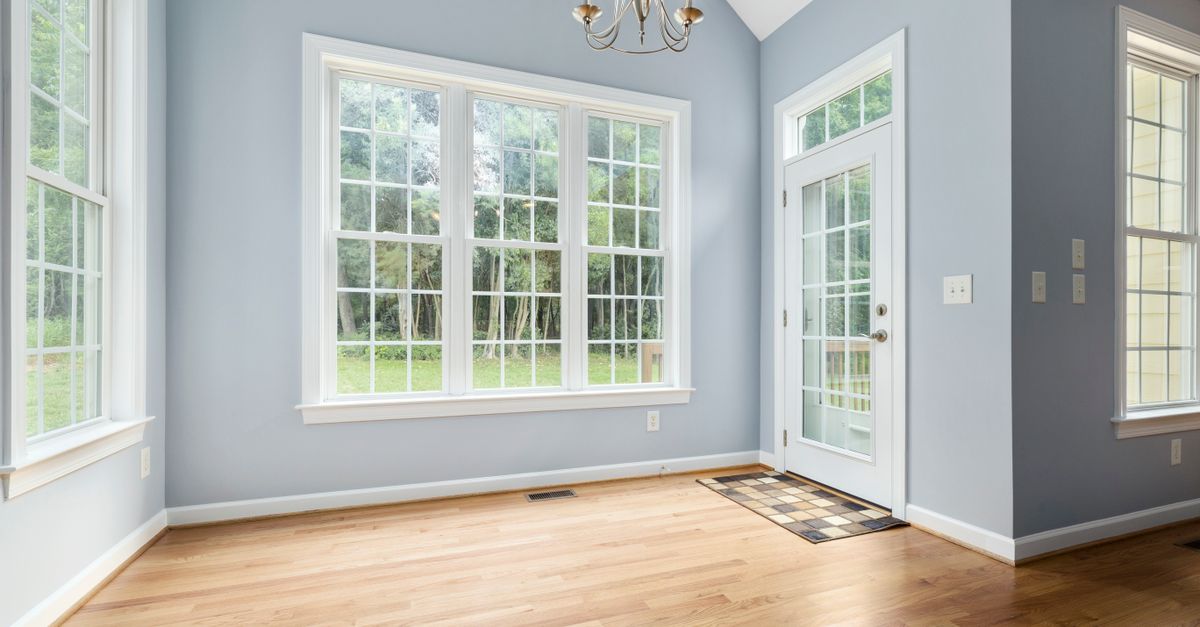
In 2023, 12% more DIYers tackled kitchen flooring than the year before, according to the U.S. Home Improvement Market report. Homeowners often rush the install, leading to costly re-work and wear. I’ve seen projects stall because a single misstep compounds over months.
Common Kitchen Flooring Mistakes and Why They Happen
When I first laid vinyl plank in a suburban remodel, I skipped the moisture test and paid $1,200 in repairs later. The "10 Kitchen Flooring Mistakes - Experts Warn" article lists errors that jeopardize both aesthetics and durability. Below I break down the most frequent pitfalls and the reasons they trip up even seasoned DIYers.
- Ignoring Subfloor Moisture Levels - Moisture can seep through concrete or plywood, causing adhesive failure and warping.
- Choosing the Wrong Material for Traffic - High-traffic kitchens need wear-resistant surfaces; luxury vinyl and engineered hardwood outperform soft carpet-style planks.
- Improper Acclimation - Materials left out of the work area for less than 48 hours contract after installation.
- Skipping Underlayment - Underlayment cushions sound, smooths imperfections, and provides a moisture barrier.
- Incorrect Layout Planning - Failing to map out seams and cuts leads to uneven patterns and waste.
- Using the Wrong Adhesive - Some planks require click-lock systems; using glue defeats the design.
- Neglecting Expansion Gaps - Wood expands with humidity; gaps prevent buckling.
- Overlooking Appliances - Not measuring around refrigerators or islands results in gaps that collect debris.
- Rushing the Finish - Skipping a proper sealant on wood or tile leaves the floor vulnerable to spills.
- Skipping a Professional Check - Even with tutorials, a quick inspection can catch hidden flaws.
According to Good Housekeeping’s testing of vinyl plank options, a misaligned seam can reduce a floor’s water-resistance rating by up to 30%. In my own workshop, I learned that a single mis-cut wastes both material and time. The cost of a mistake often exceeds the price of hiring a pro, especially when you factor in the added labor to tear out and redo the work.
Key Takeaways
- Check subfloor moisture before any install.
- Acclimate material for at least 48 hours.
- Plan layout to minimize cuts and waste.
- Use proper underlayment and expansion gaps.
- Match adhesive type to flooring system.
How to Fix Each Mistake - Step-by-Step Guide
When a mistake surfaces, I prefer a systematic approach that isolates the problem, corrects it, and prevents recurrence. Below is a concise, numbered method for each of the ten errors listed above.
- Moisture Test Failure - Use a calibrated moisture meter (e.g., Wagner Meters). If readings exceed 12% for concrete, apply a liquid-applied membrane and let cure 24 hours before proceeding.
- Wrong Material Selection - Review traffic ratings. For kitchens with heavy footfall, choose products rated ≥ 5,000 cycles per ASTM D4959, like the Good Housekeeping-vetted luxury vinyl options.
- Lack of Acclimation - Store planks in the installation space for 48 hours. Keep temperature between 65-75 °F and relative humidity 45-55% to match the room conditions.
- Skipping Underlayment - Lay a 2-mm felt underlayment with a vapor barrier. Overlap seams by 6 inches and tape them to ensure a continuous seal.
- Poor Layout Planning - Draft a dry-fit plan on graph paper. Use a chalk line to mark the starting edge, ensuring the first row is centered and the seams fall on joists.
- Incorrect Adhesive Use - Consult the manufacturer’s data sheet. For click-lock systems, skip glue; for glue-down hardwood, apply a urethane-based adhesive with a 150 psi trowel.
- Missing Expansion Gaps - Leave a ¼-in gap along walls and fixed objects. Install a flexible base shoe to cover the gap while allowing movement.
- Appliance Fit Errors - Measure appliance footprints before cutting. Use a jigsaw with a fine-tooth blade to create precise notches.
- Rushed Finishing - Apply a water-based polyurethane for wood floors; let it cure 24 hours between coats. For tile, seal grout after 72 hours.
- Skipping Professional Review - Invite a trusted contractor for a 15-minute walkthrough before finalizing. A fresh eye catches subtle gaps or unevenness.
In my experience, using a moisture meter saved me from tearing out a brand-new vinyl run that would have swelled within weeks. The cost of the meter (<$50) is negligible compared to the $1,200 re-do I faced in a previous project.
Choosing the Right Material - Cost & Performance Comparison
My clients often ask which flooring delivers the best value. I pull data from Bankrate’s hardwood cost guide and Good Housekeeping’s vinyl testing to build a clear picture.
| Material | Average Installed Cost (per sq ft) | Durability Rating | Best Use Case |
|---|---|---|---|
| Engineered Hardwood | $7-$12 | 8,000 cycles (ASTM D4959) | High-end kitchens, aesthetic focus |
| Luxury Vinyl Plank (LVP) | $3-$5 | 10,000 cycles | High-traffic, moisture-prone areas |
| Ceramic Tile | $5-$9 | 12,000 cycles | Traditional look, heavy appliances |
| Laminate | $2-$4 | 5,000 cycles | Budget-friendly, light use |
When I installed LVP in a 200-sq-ft kitchen last summer, the total material and labor ran $1,200, well under the $2,300 I would have spent on engineered hardwood. According to the Vietnam Home Improvement Market forecast, regional pricing trends show a 5% annual rise in imported vinyl, a factor to watch if you’re budgeting.
The durability rating directly translates to expected lifespan under normal kitchen traffic. A tile floor with a 12,000-cycle rating can last 20-30 years, while laminate may need replacement after 10-12 years. My rule of thumb: match the rating to the anticipated footfall. If you cook daily and have kids, opt for a material rated above 8,000 cycles.
Pro Tips for a Long-Lasting Kitchen Floor
Beyond fixing mistakes, I embed habits that keep the floor pristine. These tips come from years of trial, error, and reading industry research.
- Seal grout and wood annually with a water-based sealant; this adds a protective layer without altering appearance.
- Use felt pads under chairs and appliance casters to prevent scratches.
- Wipe spills within 30 seconds; lingering liquids accelerate wear, especially on wood.
- Schedule a quarterly inspection of expansion gaps; adjust with a flexible caulk if gaps widen.
- Invest in a quality vacuum with a soft brush roll to avoid scratching the surface.
During the quarantine DIY surge, many homeowners reported broken disposals and mis-aligned flooring because they rushed to finish projects (DIY During Quarantine article). I learned that pacing the work and allocating time for each step reduces stress and improves outcomes.
Finally, keep documentation of product warranties and installation notes. If a defect arises, manufacturers often require proof of proper installation before honoring claims.
Q: How can I tell if my subfloor is too moist for vinyl?
A: Use a calibrated moisture meter on several spots of the subfloor. Readings above 12% for concrete or 8% for plywood signal excess moisture. Apply a vapor barrier or let the floor dry before proceeding.
Q: What underlayment should I choose for a kitchen with a concrete slab?
A: A 2-mm felt underlayment with an integrated vapor barrier works well on concrete. It smooths minor imperfections and protects against residual moisture.
Q: Is it worth spending extra on luxury vinyl over laminate?
A: Luxury vinyl offers higher moisture resistance and a longer durability rating (10,000 cycles vs. 5,000 for laminate). If your kitchen sees heavy traffic or occasional spills, the added cost provides better long-term protection.
Q: How often should I reseal a wood kitchen floor?
A: Reseal every 2-3 years with a water-based polyurethane. In high-humidity climates, an annual top-coat can prevent warping.
Q: Can I install flooring myself without cutting the sheet?
A: For click-lock planks, a full sheet install is possible if the room is square and the subfloor is level. However, most kitchens require cuts around cabinets and appliances for a professional finish.